

After Algeria, my native country, Iceland is certainly the country I’ve visited the most. I first wandered around this small island lost in the North Atlantic as part of my wildlife photography projects. Later, I had the opportunity to become a hiking and photo guide in the magnificent Hornstrandir nature reserve. Today, I work there from spring to autumn. So I’ve decided to write an article about animals of Iceland. This article is aimed both at wildlife photographers who want to try their hand at the Icelandic adventure, and at nature and wildlife enthusiasts.
If you’d like to find out more about my work as a photo guide, please visit the page dedicated to the Iceland photo workshop.
Iceland is a relatively unknown destination for wildlife photographers. Yet the island is a true jewel of unspoilt wilderness. Population density is very low and, as a wildlife photographer, it’s possible to spend several weeks on the tundra without encountering humans.
On the other hand, Iceland’s climate is extreme and unpredictable. Before planning a wildlife photography trip, it’s a good idea to find out what equipment you’ll need. Self-supported trips are even reserved for those with a minimum of experience in wet arctic regions.
Geography of Iceland
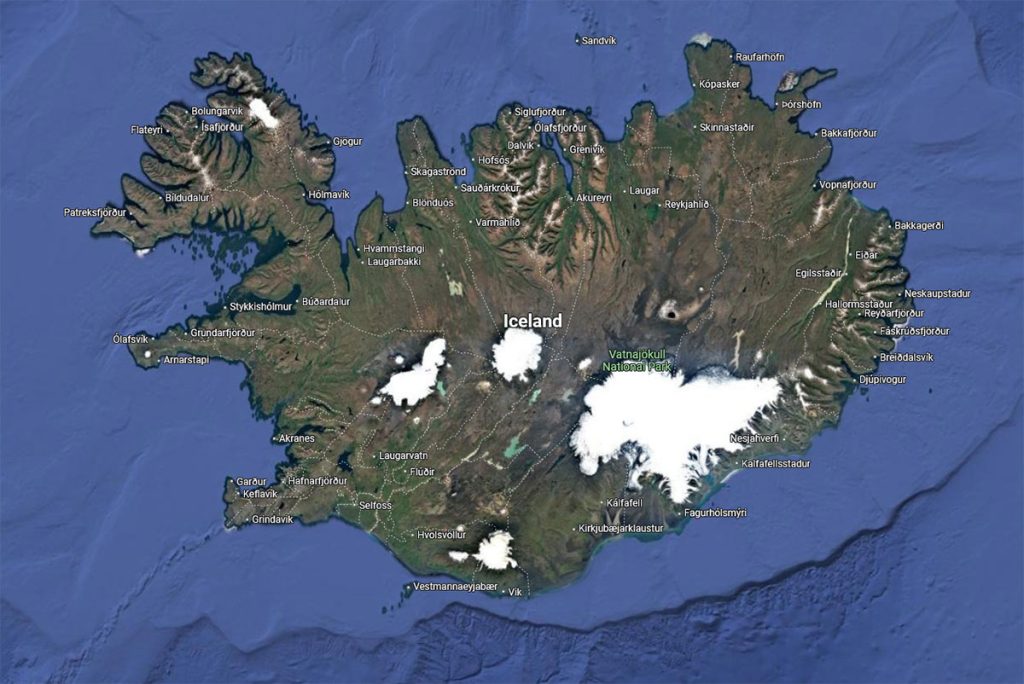
Iceland is one of the few emerged parts of the Mid-Atlantic Ridge, which separates the American and Eurasian continents. The island is characterized by strong volcanic and seismic activity. It is also located a few kilometers below the Arctic Circle and less than 300 km from Greenland. This explosive mix of hot and cold has made it a unique place where the elements are unleashed, but where it’s possible to swim in 40° water in the middle of a storm.
Only the Icelandic coast is inhabited. The inland is mountainous and largely covered by the Vatnajökull ice cap. In winter, life here is virtually impossible. The coast is made up of fjords carved out by glaciers that have now disappeared, and bays such as Reykjavik, the country’s capital.
On the coast, Iceland’s mountains are not very high. The average altitude is between 300 m and 600 m above sea level. But the terrain is rugged and the slopes steep, so climbing them is generally difficult and quite physical.
Finally, the climate varies according to region and exposure. For example, the south of Iceland is protected from northerly winds and clouds, so snow cover is low, whereas the north and the Westfjords are very exposed, colder and have more snow. In fact, the Westfjords are the region with the most extreme climate. It’s also the most interesting region for animals in Iceland.
Animals of Iceland
When we talk about animals of Iceland, we’re essentially talking about the wildlife of the tundra, with the exception of the polar bear. In fact, there are no polar bears in Iceland. However, from time to time, some individuals land in the Westfjords, after drifting on icebergs from Greenland. This happened, for example, in September 2024 in the Hornstrandir nature reserve.
But on the whole, there are no dangerous animals in Iceland. Arctic terns can sometimes be aggressive, but only to scare off intruders approaching their nests. As a photographer in Iceland, you don’t need to take any precautions to protect yourself from wild animals.
Iceland’s mammals
Iceland isn’t exactly an island where mammals have thrived. While all arctic mammals were present on the island during the Ice Ages, the arctic fox is the only Animal in Iceland to come from this period. All other land mammals were introduced by humans. Icelandic waters, on the other hand, are rich in marine mammals. It’s one of the easiest places to observe them, even from the coast.
Arctic foxes, animals of Iceland and travelers of the Ice Age
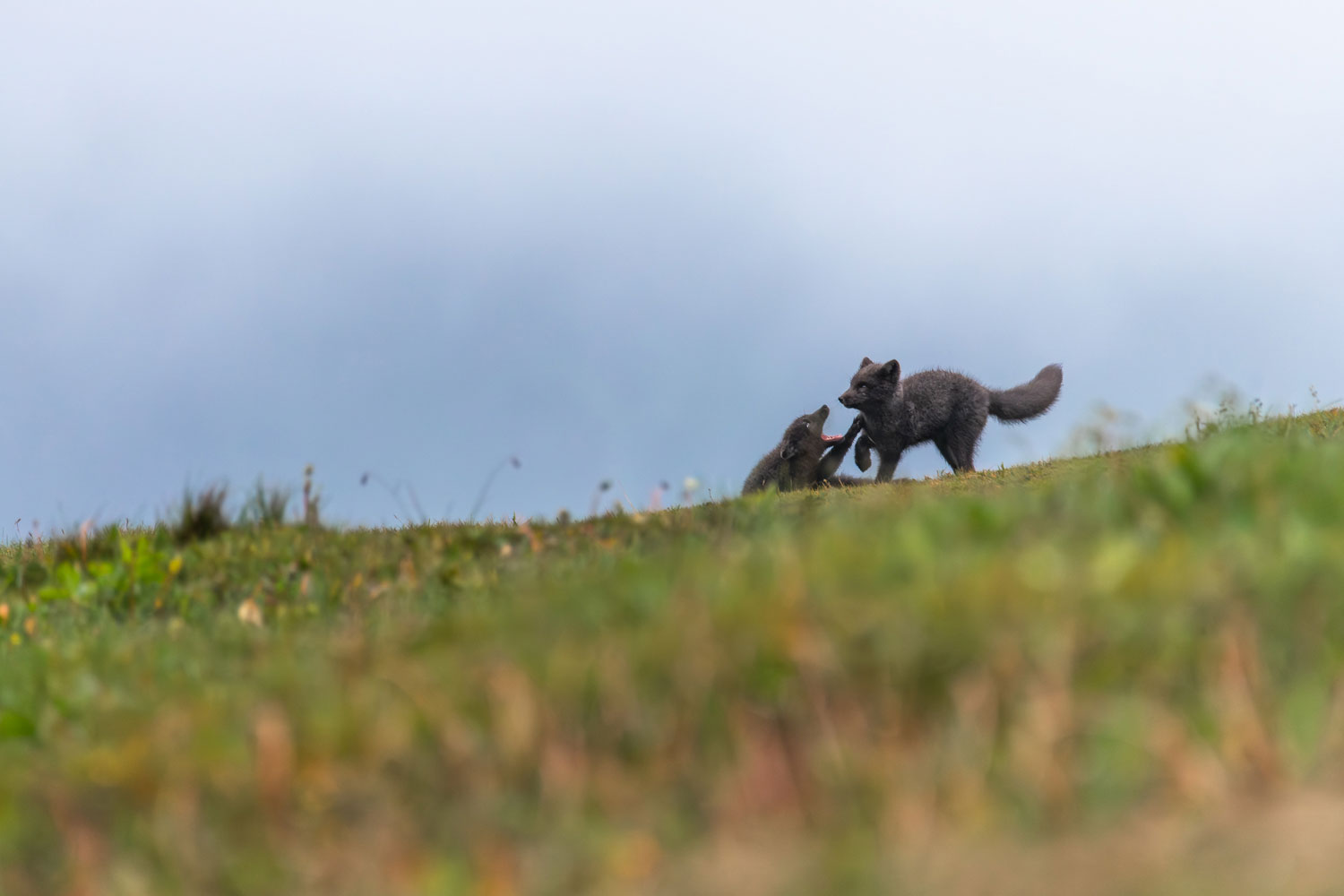
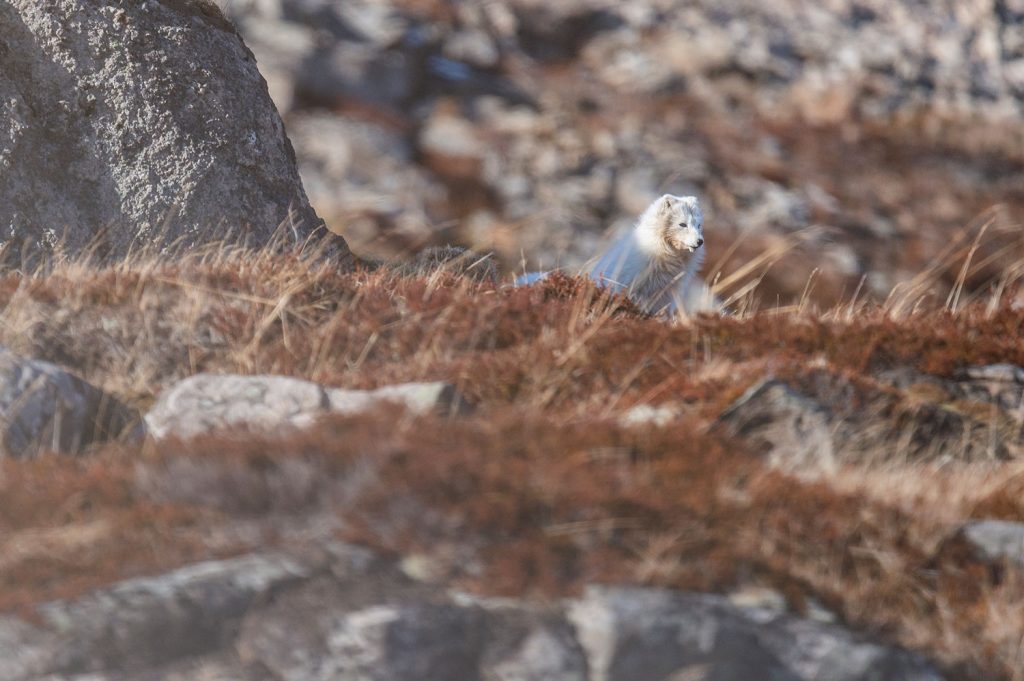
The Icelandic arctic fox is the island’s only endemic land mammal. In fact, it’s the most iconic of Iceland’s animals. It arrived during the last Ice Age and remained on the island during the warming period just over 11,000 years ago. Since then, the Icelandic polar fox has evolved into a subspecies, Vulpes lagopus fuliginosus.
It’s not easy to spot polar foxes in Iceland, but some areas are more favorable than others. As a general rule, the western and eastern fjords are the best places to see polar foxes. But in recent years, a good population of polar foxes has built up in Vatnajökull National Park.
The polar fox is equipped to live in the most extreme Arctic conditions. Its thick fur and small morphology enable it to withstand temperatures of -70°. What’s more, this species has adapted to Iceland, where lemmings, its preferred prey, are absent. Foxes have occupied fjords and bays, where they feed on seabirds, land birds, crustaceans and dead animals washed up by the ocean. The Arctic fox is one of the most resourceful animals of Iceland. When it comes to animals native to Iceland, he’s the first one that comes to mind.
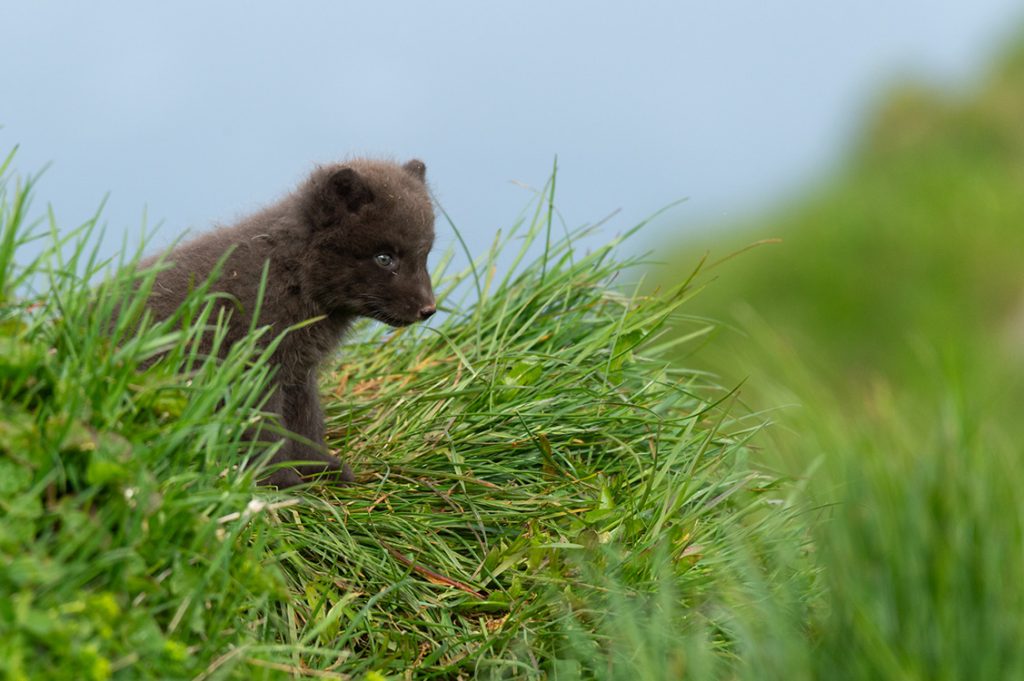
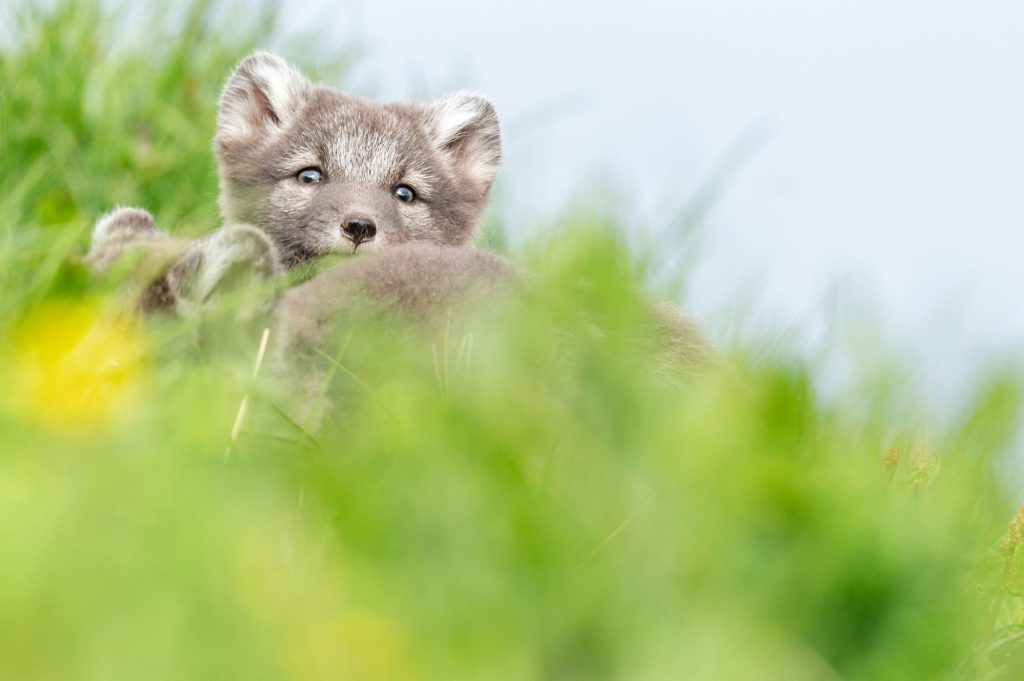
Finally, the Arctic fox has two morphs: white and brown (or blue). While white polar foxes are in the majority throughout the Arctic, in Iceland, the brown morph has taken over. This change is an adaptation to the island’s geology, which is made up of black basalt rock and black sandy beaches.
The wild reindeer of the East Fjords
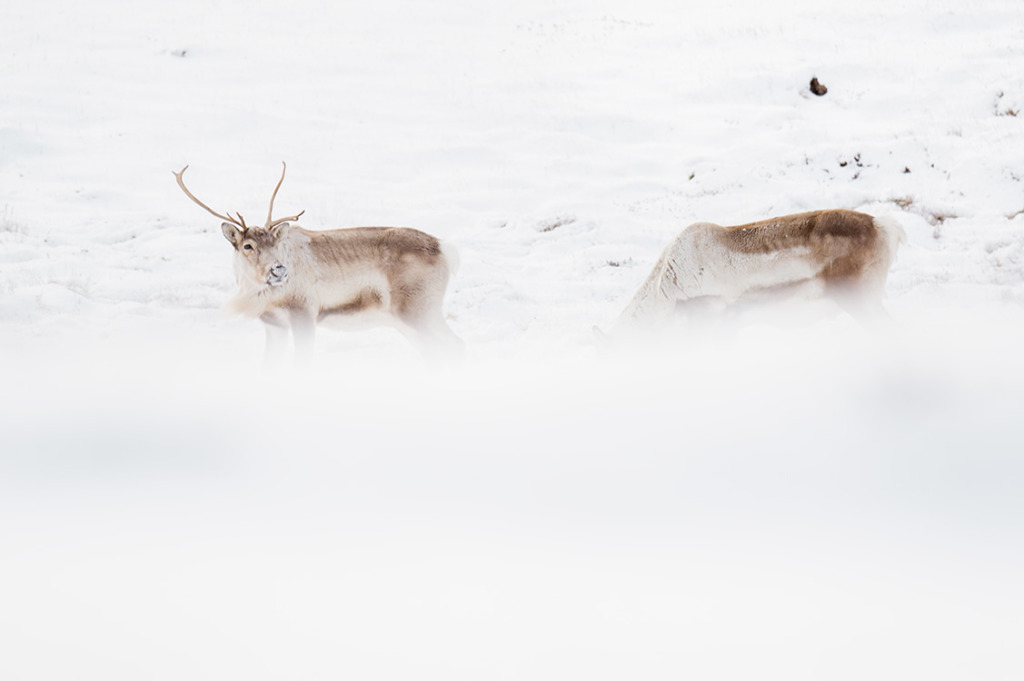
Reindeer are not native to Iceland. The island’s only cervid was imported by humans at the end of the 18th century. The aim was to breed them, like the Sami people in Lapland. But this purely agricultural attempt was a failure. In fact, the extreme, humid climate and, above all, the limited availability of food, made reindeer farming a failure in Iceland. As a result, reindeer populations quickly declined and disappeared.
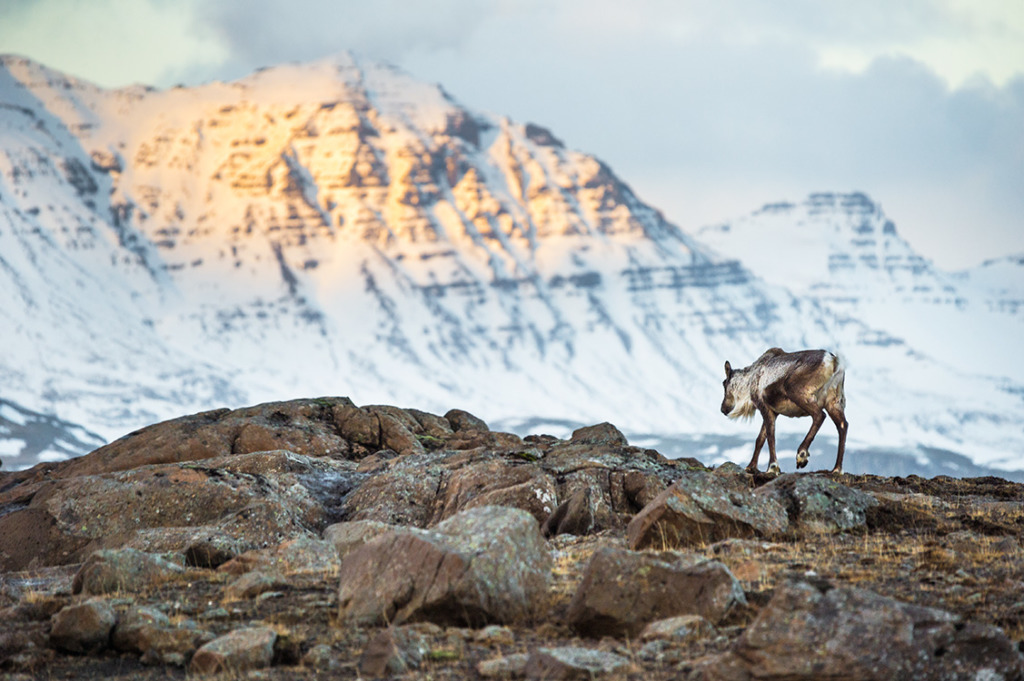
At the end of the 1930s, when the reindeer was thought to have disappeared from Iceland, around a hundred individuals were found in the east of the island. These individuals survived the famine and found refuge in a territory stretching from the East Fjords to the Vatnajökull glacier. They formed the genetic heritage of the Icelandic reindeer.
Today, some 7,000 reindeer live on the island. They are the descendants of this abortive breeding attempt. Icelandic reindeer are easy to spot.
To see reindeer in Iceland, I recommend going during the winter. The ideal time is March. During this period, they tend to live on the eastern coasts of the island, as food is scarce in the highlands. It is therefore possible to see them from the road. However, given their effective camouflage, you need to take your time and observe the landscape carefully. They blend in quite easily with the tundra and rocks. Just drive between Egilsstaðir and Höfn and you’ll have a good chance of seeing Icelandic reindeer.
Icelandic horses, animals of Iceland and Norse mythology
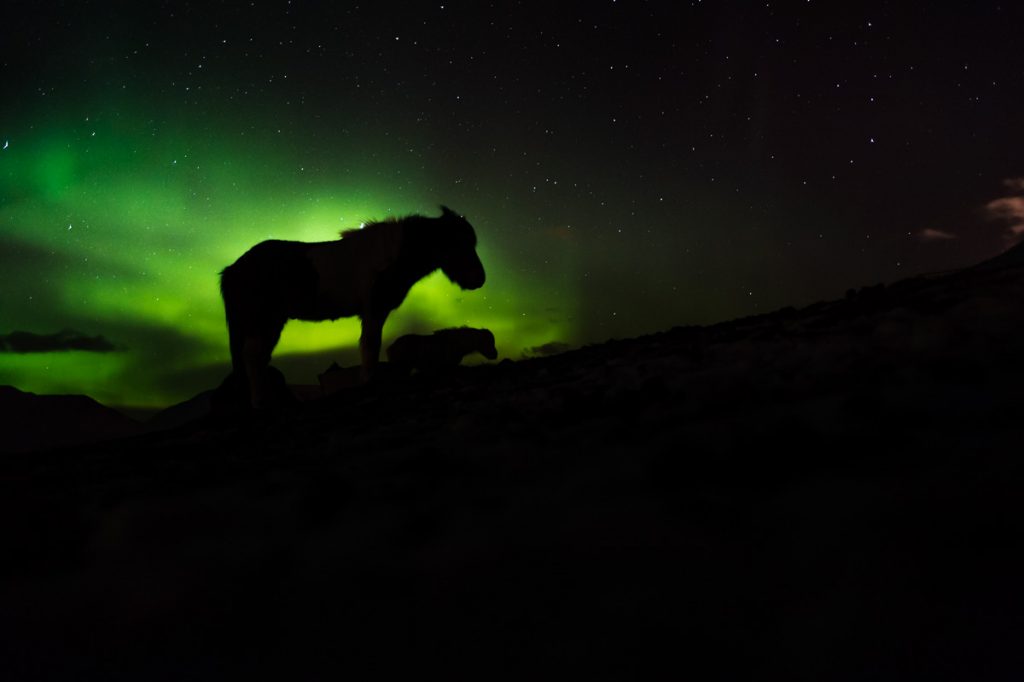
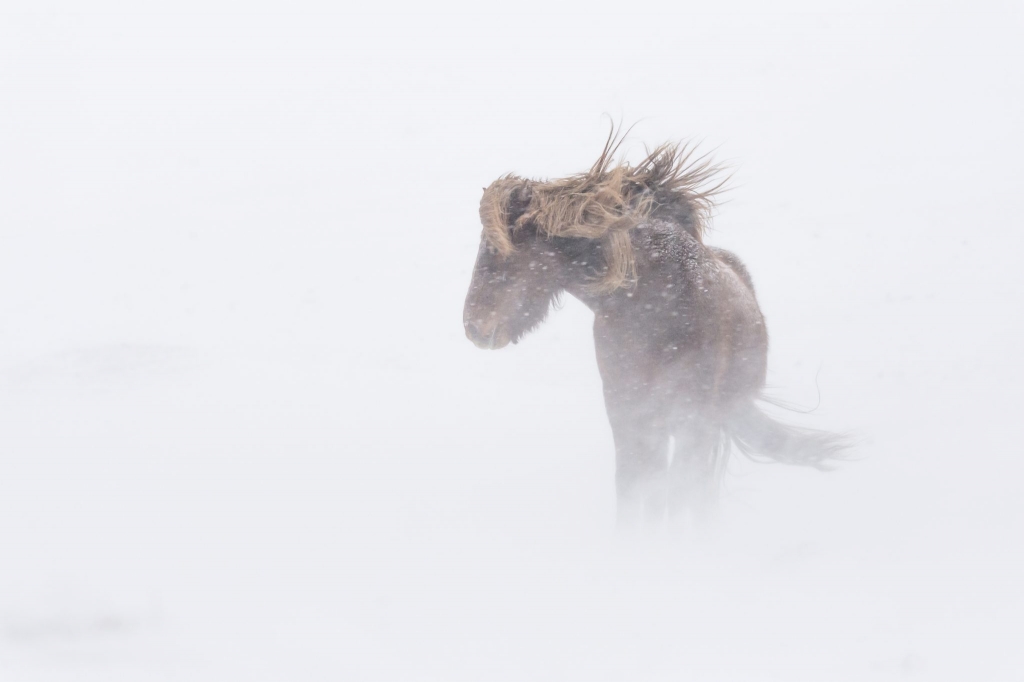
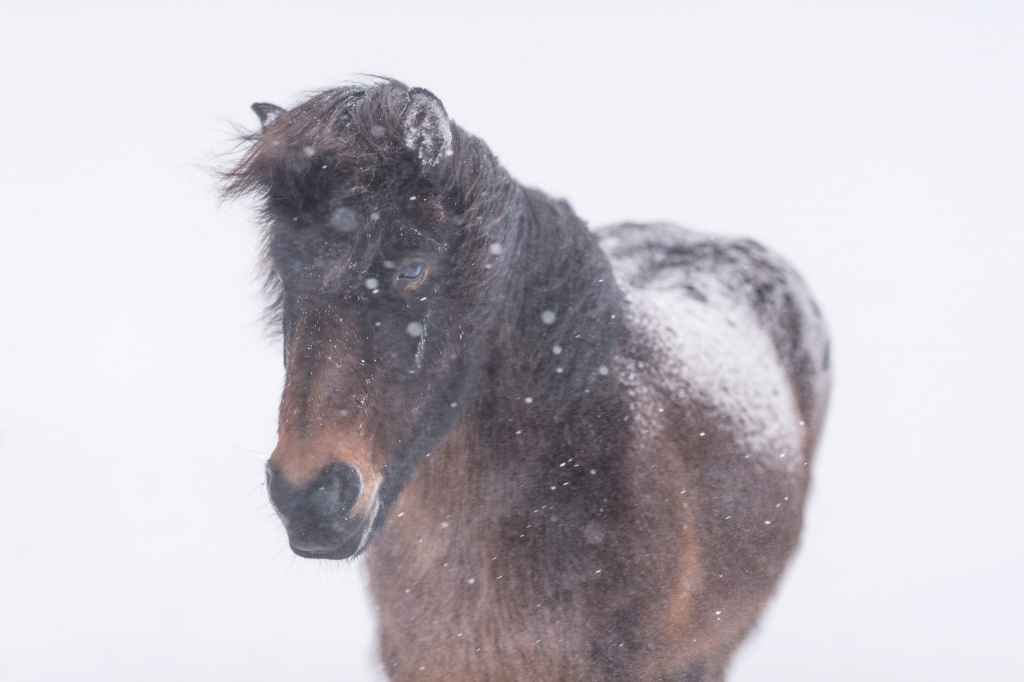
If there’s any animals of Iceland that’s a must-see, it’s the Icelandic horses. They’ve been present on the island since it was first colonized by humans. I dedicated a project to this species a few years ago. You can visit my Icelandic horse page to find out more.
Icelandic horses are the offspring of several breeds imported by the Vikings from Scandinavia and the Celts from Scotland and Ireland. Genetically, these horses have a heritage from Scandinavian breeds such as the Fjord horse from Norway, and from the British Isles such as the Connemara horse from Ireland, the Shetland horse or the Scottish Highlands horse. The Icelandic horse’s genetic heritage also includes traces of Asian horses such as the Russian Yakut and Mongolian horses.
Seeing Icelandic horses is an incredible experience. I have to admit I was overwhelmed by their beauty, strength and delicacy. In Iceland’s fabulous landscapes, they seem to be in their element. In winter, they are sometimes covered in frost, transforming themselves into ice horses. They are one of my favorite photographic subjects in Iceland.
Finally, Icelandic horses can be seen all over the island. But some regions are more suitable than others. Starting from the capital Reykjavik, the region of Selfoss is the one with the most Icelandic horses. But they tend to live in paddocks on the plains.
If you have the opportunity, I’d recommend a trip to the north of Iceland, west of Akureyri, to see the Icelandic horse. The horses that live in this mountainous, cold and snowy region are more likely to be free-roaming. What’s more, the landscapes are among the most beautiful in Iceland. In my opinion, it’s a paradise for wildlife photographers looking to capture Icelandic horses.
Whale watching in Iceland
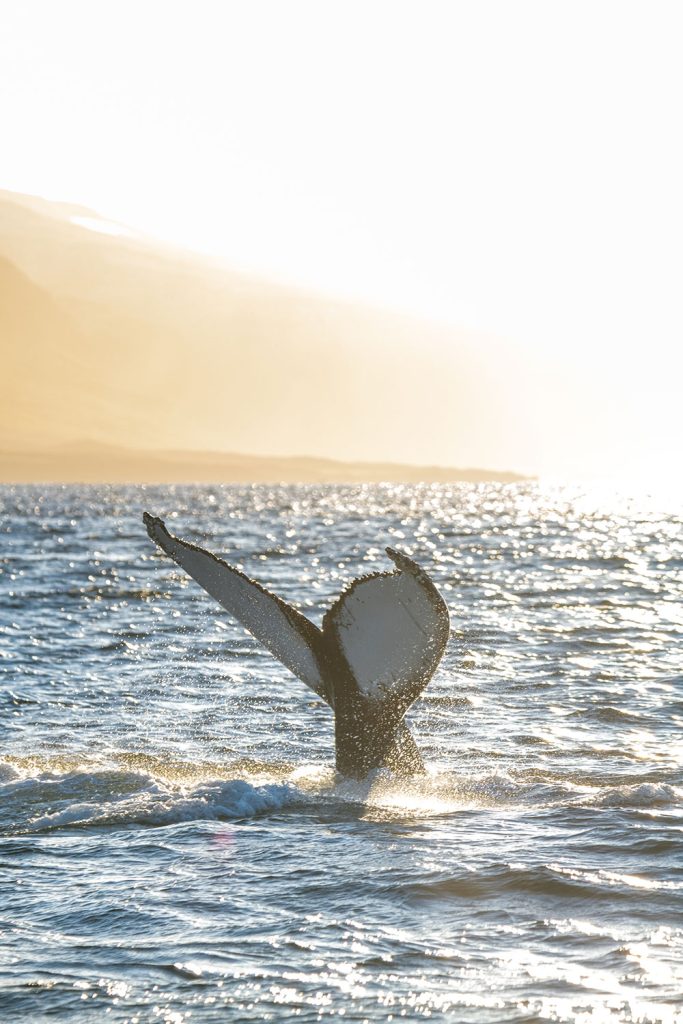
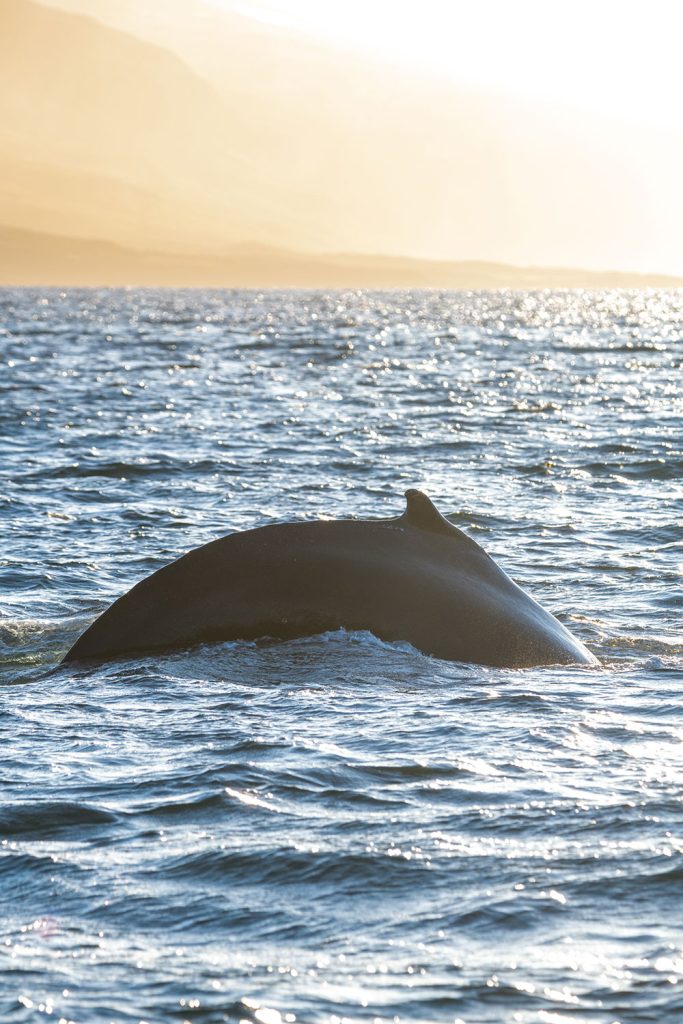
Watching cetaceans is an incredible experience. Although I’ve never really tried to observe them (for example, I’ve never been on a whale watching tour), I’ve been lucky enough to come across them regularly in recent years. The cetacean I’ve seen most in Iceland is the humpback whale in the Westfjords. As I work in the Hornstrandir nature reserve, and the main means of getting there is by boat, I have regularly seen groups of humpback whales in the fjords.
I have also seen humpback whales, minke whales and orcas from the coast, still in the Westfjords, or on the Reykjanes Peninsula in the south-west. If you travel to Iceland and cross the fjords, keep your eyes peeled, especially if you see seagulls chasing schools of fish.
I don’t necessarily recommend whale watching tours, especially not from Reykjavik. These tours can put pressure on the whales, given the ever-increasing number of tours. It’s preferable to observe them from a greater distance, while respecting their integrity and safety.
Harbour seals in Iceland
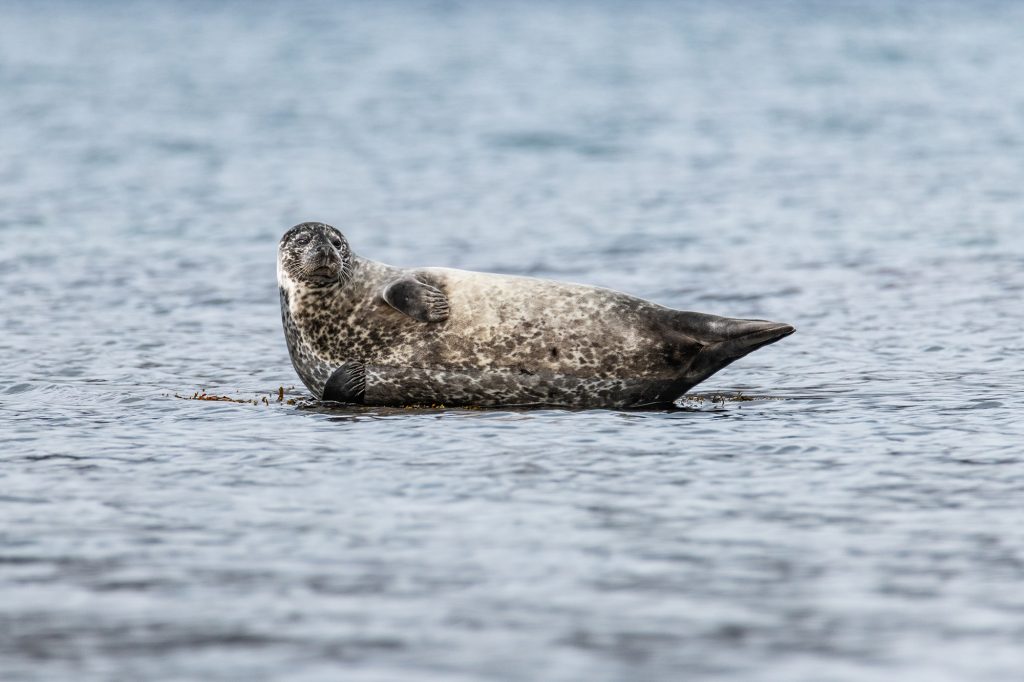
The easiest marine mammal to spot in Iceland is the harbor seal. They are widely distributed throughout the island.
To see seals in Iceland, all you have to do is walk along the coast and keep your eyes wide open. Even if they sometimes blend in with the rocks on which they rest, they are easy to find and fairly unafraid. But keep your distance and, above all, never go in the water. On the one hand, you’ll be causing these animals stress (and they’ll leave immediately), and on the other, the North Atlantic is very dangerous and unpredictable in Iceland.
The best seal-watching spots in Iceland are Jökulsárlón, one of the lagoons of the Vatnajokull glacier in the south, Ytri Tunga on the Snaefellsnes peninsula, or the Vatnsnes peninsula, which is known for its many seal spots.
Birds of Iceland
For birdwatching and ornithology enthusiasts, Iceland is a land where you can spend months watching wildlife, summer and winter alike, and never tire of it. The island is a breeding ground for over 70 species of birds. In summer, nature is abundant, noisy and colorful. Birds of Iceland are busy feeding their young, and the window is short: they only have 3 months to breed before moving to their winter quarters.
Puffin birds, the most popular animals of Iceland
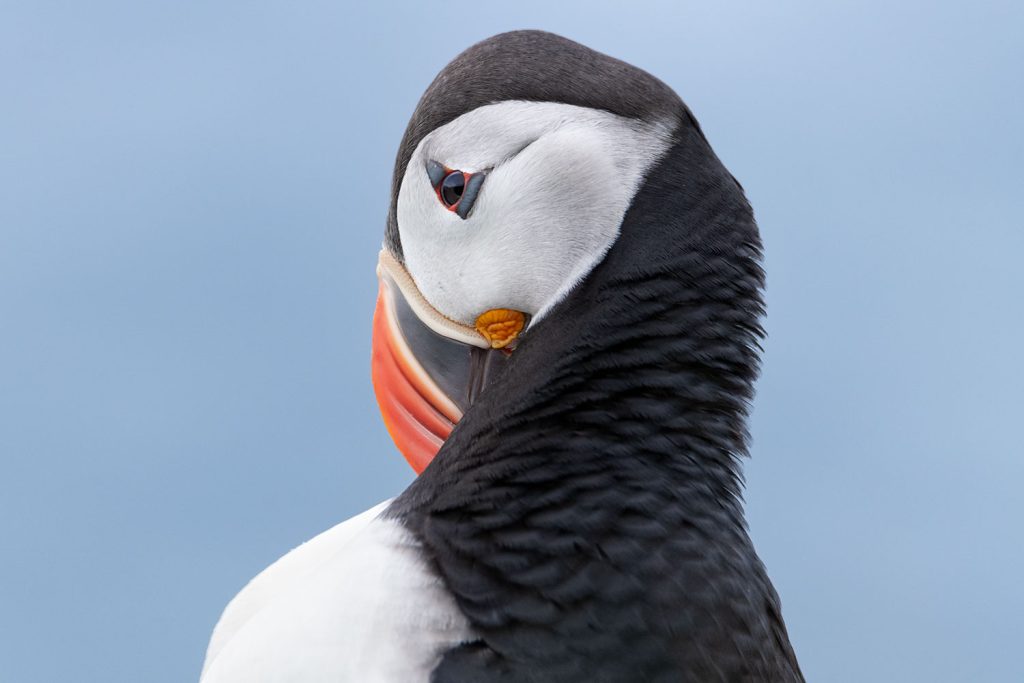
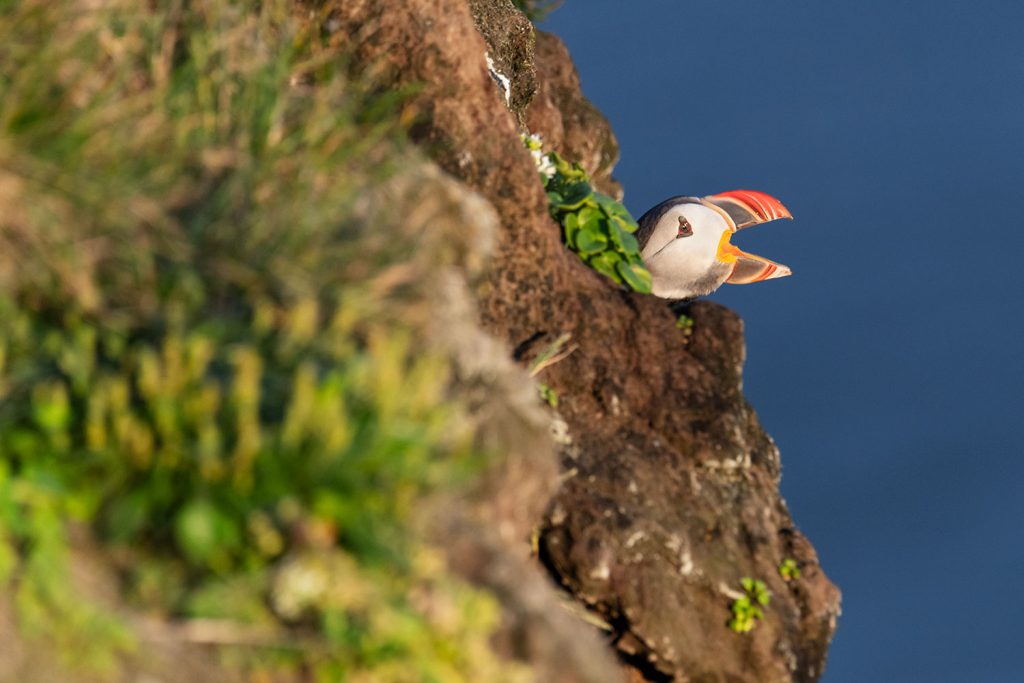
Puffin bird is certainly the star of wildlife photographers in Iceland! These tiny seabirds, barely 30 cm long, breed on Iceland’s cliffs every summer. They arrive in May and leave in mid-August to winter in the North Atlantic.
First and foremost, 60% of the world’s puffin population breeds in Iceland. The island is therefore a major site for this species. Among the most important sites where puffin birds can be seen are the cliffs of Dyrhólaey near Vik in southern Iceland, the cliffs of Látrabjarg and the island of Vigur in the western fjords, the Vestmann islands, and the island of Flatey near the Snæfellsnes peninsula.
Moreover, puffins are calm and relatively fearless birds. But that doesn’t mean we don’t need to take the usual precautions when dealing with wild animals. It’s important to keep your distance and not interact with the puffins.
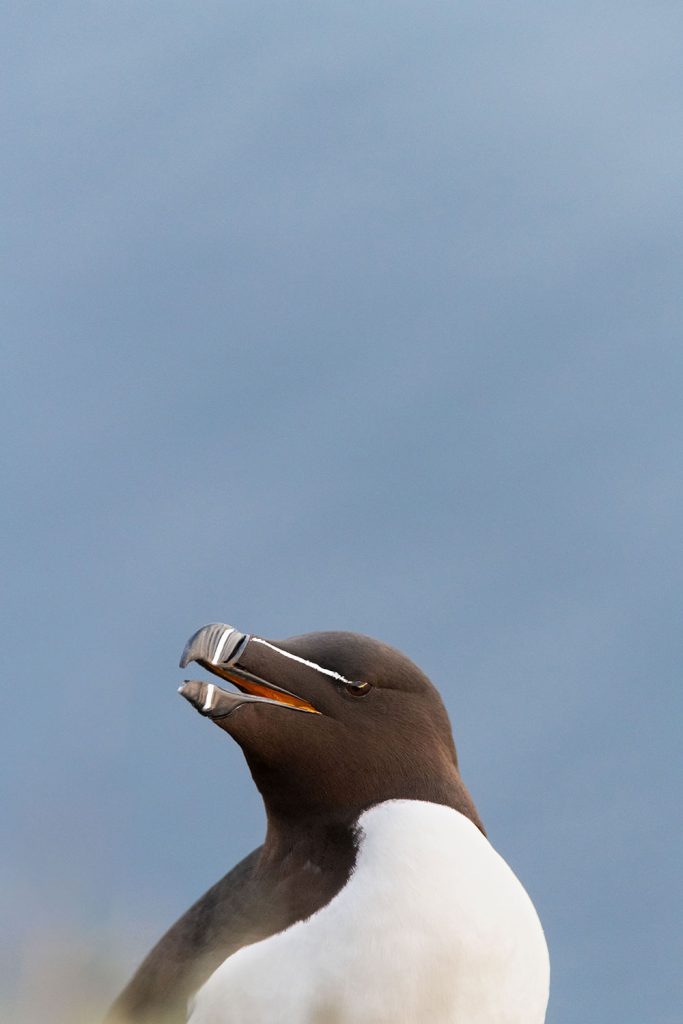
Finally, my favorite place to see puffins in Iceland is the cliffs of Latrabjarg, not only home to an interesting population of puffins, but also an important nesting area for razorbills.
Given the richness of this site, it’s not uncommon to observe Arctic foxes hunting seabirds or stealing eggs.
The rock ptarmigan, the other survivor of the Ice Age
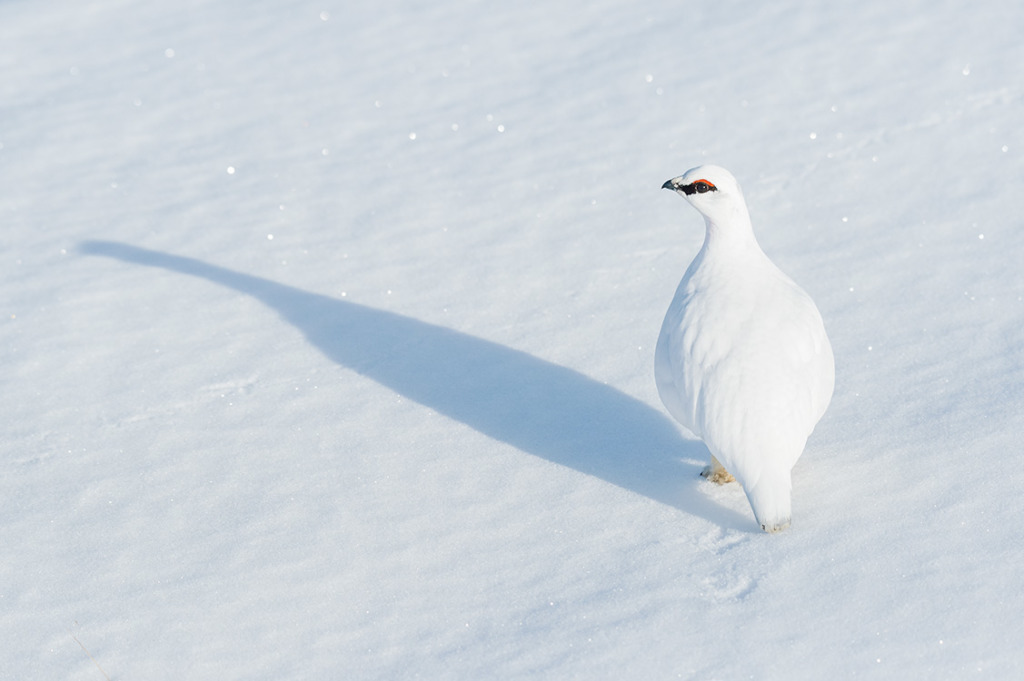
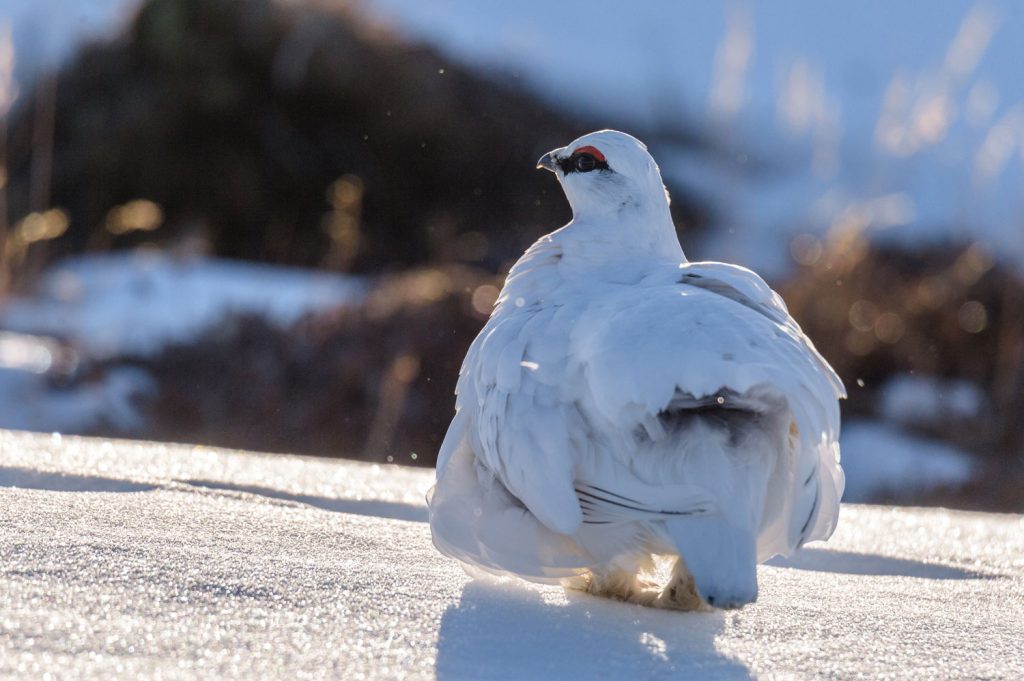
If there’s one bird emblematic of the Arctic and Alpine regions, it’s the rock ptarmigan. This little snow partridge seems to have emerged straight from the Ice Age.
The rock ptarmigan is widely distributed in Iceland. Its population fluctuates between 500,000 and 2 million individuals, depending on the year. Inland, ptarmigan are among the rare winter prey of the arctic fox. They are also hunted by other animals of Iceland, such as the gyrfalcon.
In winter, rock ptarmigan sport a white plumage that reflects light very much like snow. This evolution provides perfect camouflage against winter predators. During this season, they are quite difficult to spot. The best way to find them is to target the areas where they feed, including villages.
In summer, their plumage turns brown for the males and reddish for the females. During this period, I tend to come across them in the scree slopes, mountains and highlands of Iceland.
The region where I’ve seen the most rock ptarmigan is the Westfjords. It’s even possible to see rock ptarmigan in the heart of villages like Súðavík, or in towns like Ísafjörður.
Other seabirds
Iceland is a paradise for seabirds. The island is a haven for millions of birds who come here every summer to breed and raise their young, before heading back out to sea for some (such as puffins and razorbills), or to other lands.
The list of Icelandic seabirds is very long, so I won’t list them all here. But the main birds that nest on Icelandic cliffs are puffins, razorbills, guillemots, black guillemots, northern fulmars and black-legged kittiwakes. These birds also nest on islands such as Vigur and Flatey, where they breed in the protection of Arctic foxes.
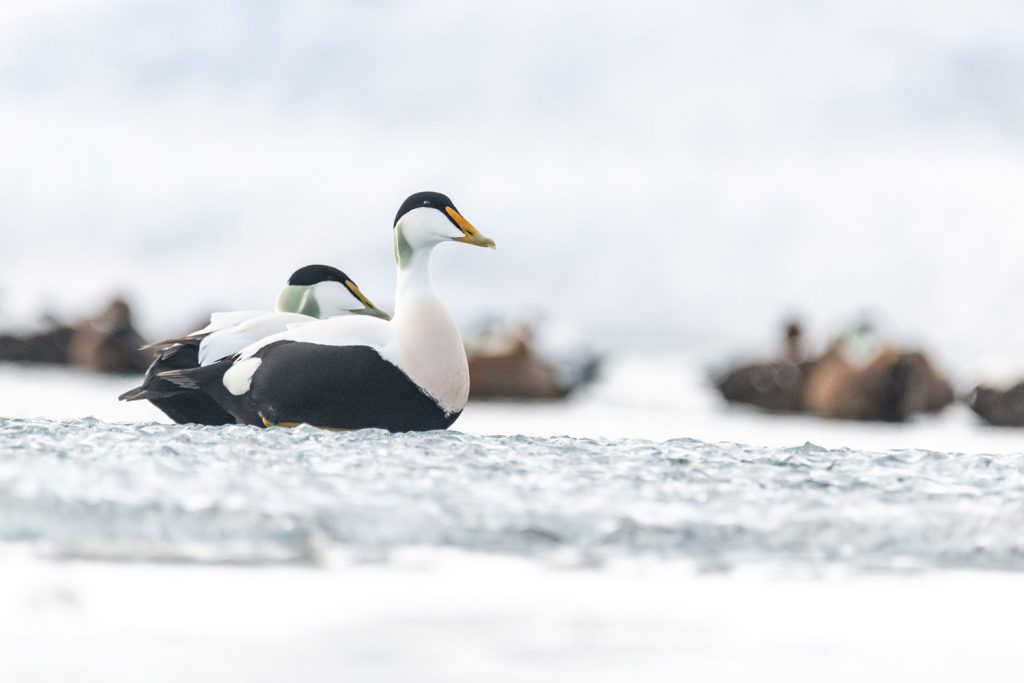
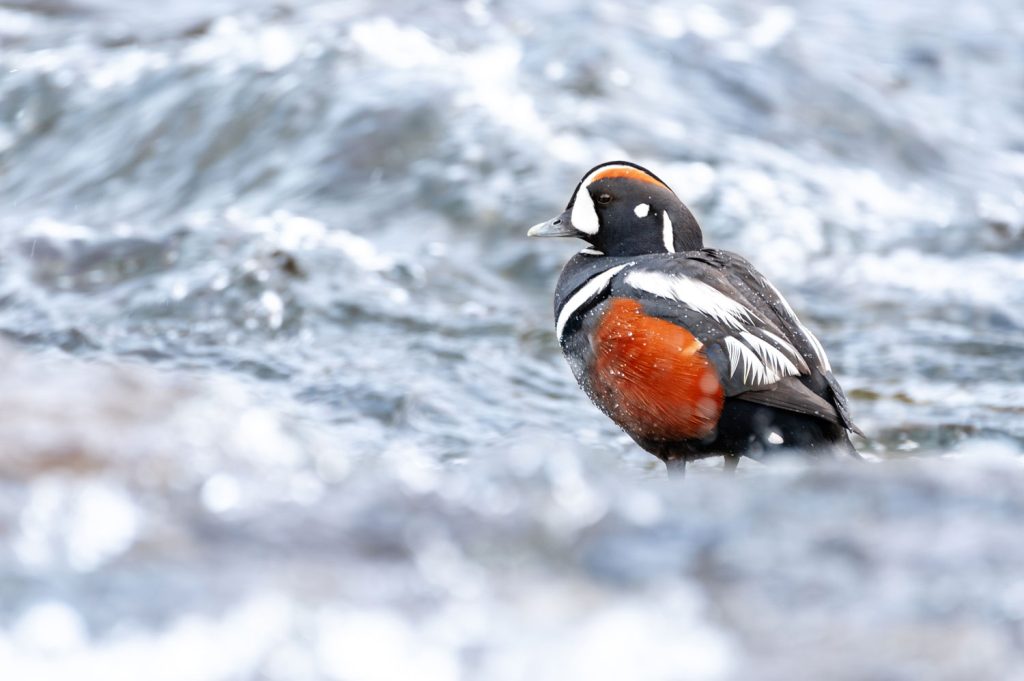
As for ducks, the list is just as long. The most common are the common eider, harlequin duck, red-throated loon and Long-tailed duck. These ducks mainly inhabit Iceland’s fjords and certain large lakes.
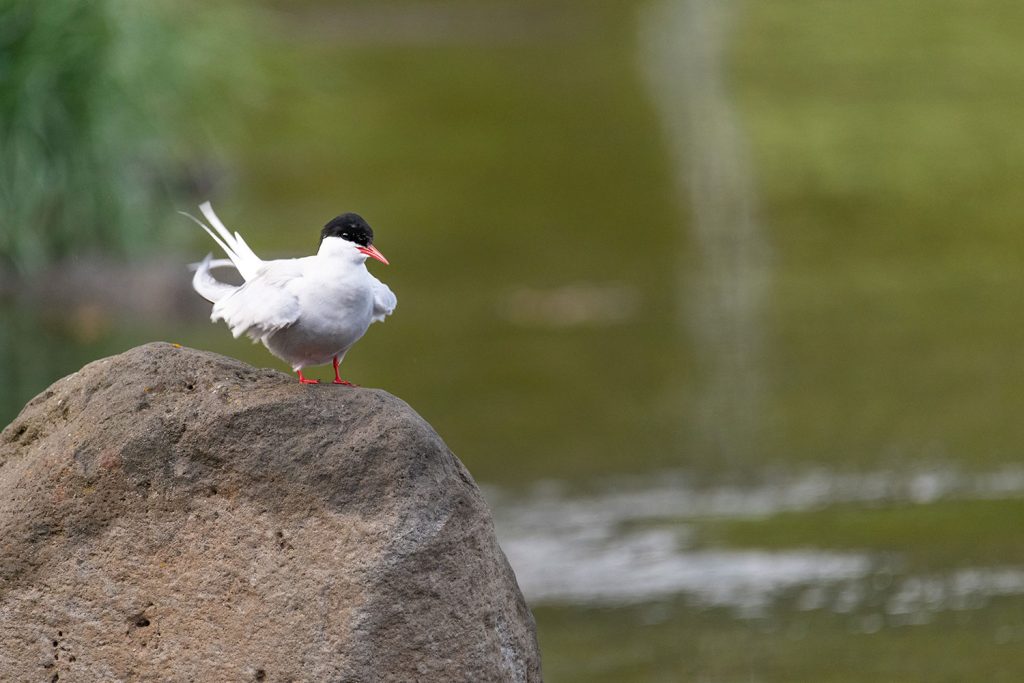
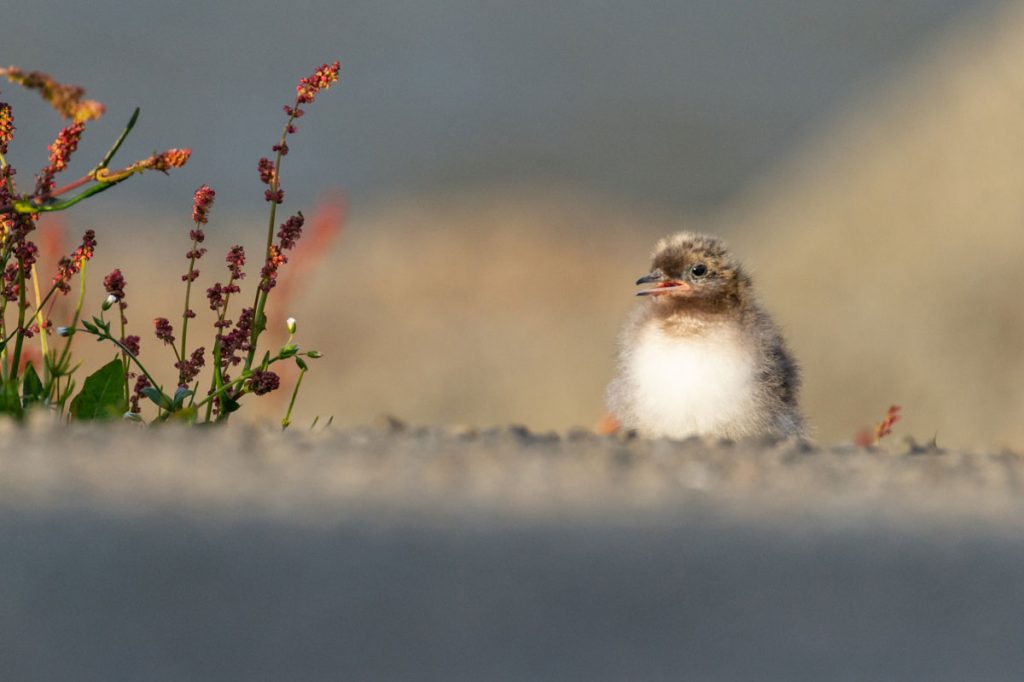
On the other hand, it’s impossible to talk about animals of Iceland without mentioning the Arctic tern. These small birds, with their graceful flight and shrill calls, perform the feat of migrating from the Arctic to the Antarctic every year. This migration represents an annual distance of 70,000 km, which is a record for all species combined.
Arctic terns are relatively easy to see in Iceland. They are particularly fond of grassy areas close to the ocean. The east and west fjords are ideal for this species.
Animals of Iceland: Other shorebirds and landbirds
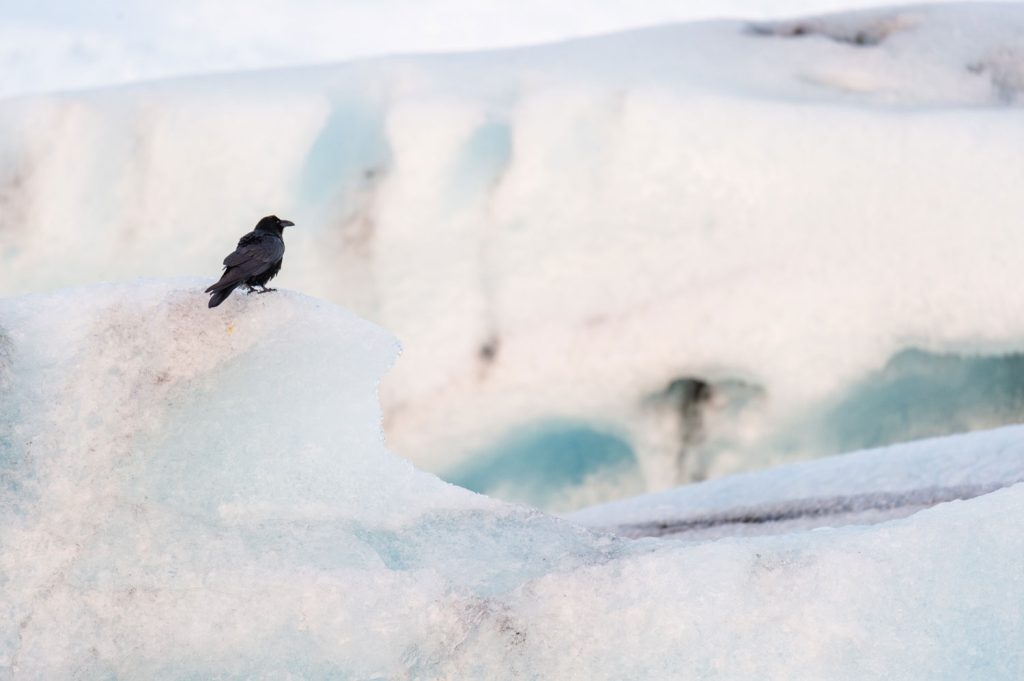
The list is long, but I’m going to tell you about the Icelandic bird species I’m used to seeing. First of all, I’d like to say that my favorite species is the common raven, and Iceland is the best place to see them, because there are so many of them. I’m lucky enough to spend a lot of time with them, mainly in the Westfjords. Common ravens are impressive for their intelligence, opportunism, social life and aerial acrobatics during courtship. Large groups occupy the cliffs of the Westfjords, feeding on what the ocean throws up. When I come across a seal carcass, they’re the first to help themselves, before the polar foxes, who wait their turn.
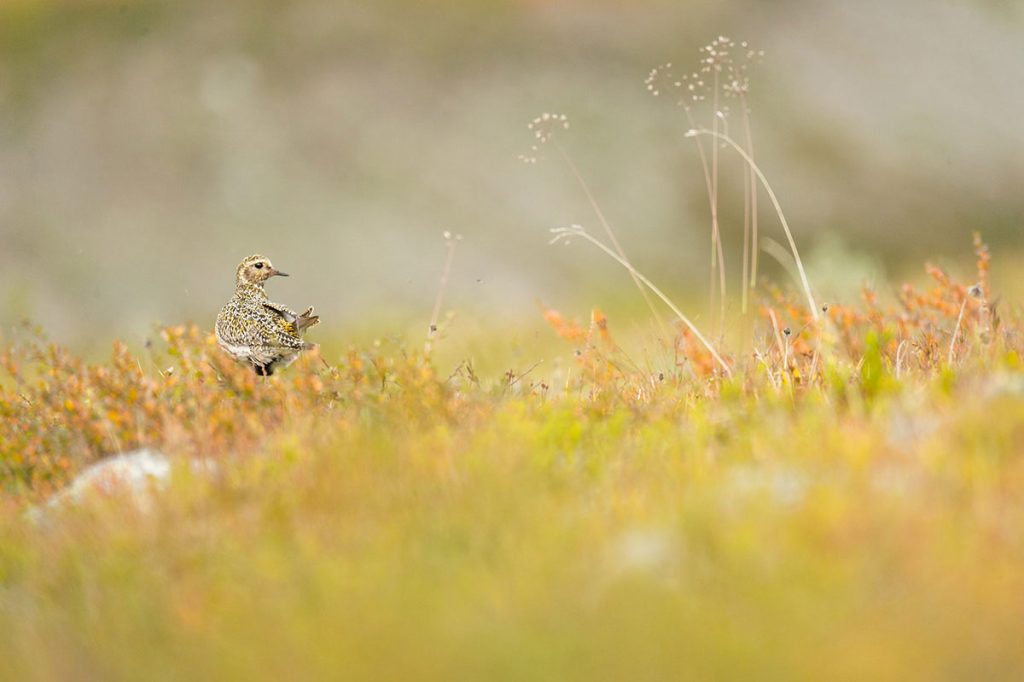
Moreover, when you think of an emblematic bird of the tundra, you immediately think of the golden plover. This small shorebird, less than 30 cm long, breeds in Iceland. For me, it’s the symbol of the Arctic tundra, so resonant is its song in the fjords and mountains of Iceland. The best way to find and observe golden plovers is to follow their characteristic whistle. They are not very shy and can be approached from a distance of around 15 meters.
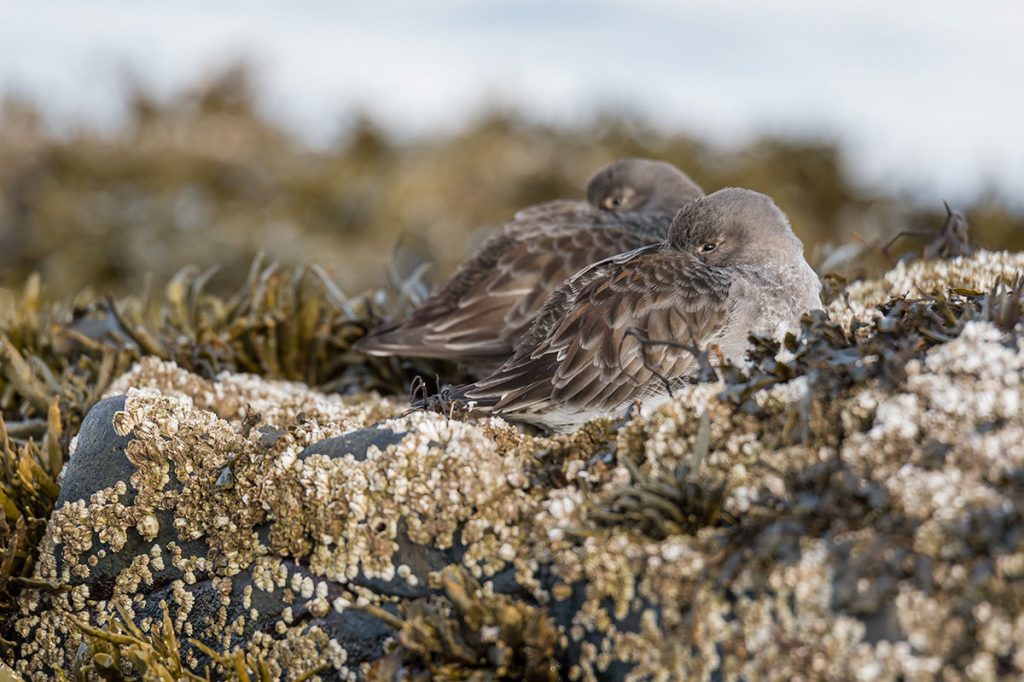
Another Icelandic bird abundant in the fjords is the purple sandpiper. This small wader moves mainly in groups to feed at low tide. Large groups of purple sandpipers can be seen resting on rocks, their heads buried in their plumage, forming little balls of gray and white feathers. These little birds are among my favorite animals of Iceland.
Finally, purple sandpipers are ideal prey for the merlin. I’ve often seen them stalking in the Westfjords.
Sorry, the comment form is closed at this time.